
I can still recall the first time a live casino game show caught my eye and would not let go. It was not a classic blackjack table or a roulette wheel, but a massive, colorful spinning wheel run by a presenter who spoke with players by name. That moment transformed how I think about online gambling. Instead of the subdued mechanical rhythm of traditional live dealer games, this felt like stepping into a television studio where I could place bets, interact, and share the same excitement of anticipation as everyone else. Over the last few years I have devoted countless evenings exploring these hybrid creations, and at lizarocasino promotions the category has become one of my preferred ways to enjoy a session. The combination of real-time human hosting, physical props, and random number generator elements creates something truly unique from both slots and table games. In this breakdown I want to walk you through everything I have discovered about live casino game shows, from the mechanics that power them to the strategies I use when I take a seat to play.
What Sets Apart a Live Game Show Versus Traditional Live Dealer Tables
The simplest way to understand live casino game shows is to view them as a bridge between television entertainment and interactive gambling. A traditional live dealer table follows a fixed set of rules overseen by the croupier. The dealer shuffles, deals, and pays out, but the format rarely deviates from the casino standard you would find on any physical floor. A game show constructs an entire spectacle centered on a central randomising mechanic, often a massive vertical wheel, a set of dice, or a lottery-style drawing machine. The presenter does more than simply run the game; they chat, build suspense, remark on big wins, and truly perform. This transforms the energy from quiet concentration and towards a shared social experience whereby you are not just playing against the house but interacting as part of an audience together.
I noted that the pacing also distinguishes these formats apart. In roulette you have a specific betting window, the ball drops, and the result appears immediately. Live game shows often extend that cycle with bonus rounds, wheel spins with multiple phases, or reveal sequences that require several minutes to unfold. That deliberate tempo is key to the entertainment value. When I play Crazy Time or Monopoly Live I know I am not just betting on a number; I am buying into a narrative arc that might include a host stepping into a 3D world or a set of multipliers building to a peak. Randomness stays the backbone, but the delivery transforms the experience into something far more memorable. Lizaro Casino groups these titles together clearly, which makes it simple to jump between a high-intensity game show and a calmer live dealer table depending on my mood.
Another fundamental difference is the role of the multiplier. Standard live tables pay fixed odds: even-money bets, 35 to 1 on a straight-up roulette number, and so on. tous les détails Game shows introduce progressive, dynamic multipliers that can rise before the round concludes. A wheel might land on a bonus segment, unlock a separate screen, and then a pachinko-style wall or a virtual host shuffles multiplier values that keep rising until they stop. That mechanic signifies a single bet with a modest starting value can suddenly become a payout dozens or even hundreds of times larger than the initial stake. When I share this to friends in France who are used to the fixed structures of roulette and blackjack, I see their eyes widen. It is a completely different risk profile, and it is exactly why I suggest approaching these games with a clear plan before placing the first chip.
Bonuses and Promotions That Fit the Game Show Format
Live casino game shows hold an interesting space when it comes to promotions, because not all bonus types work equally. From my experience, the most useful offers are those with low wagering requirements or those particularly labeled for live casino use. A general welcome package that offers bonus funds I can deploy on live dealer tables is beneficial, but I always examine the terms to ensure whether game shows apply fully toward wagering and whether any maximum bet limits are in effect during bonus play. Many French-facing casinos, including Lizaro, arrange promotions so that a part of the bonus balance is usable across their live lobby. I advise visiting the promotions page each time you log in, because game-show-specific leaderboard races or cashback events can emerge without much fanfare. A weekly cashback on net losses across Evolution Gaming titles, for example, successfully reduces the impact of a rough run on Crazy Time.
Another promotional aspect I have grown to like is the short-stack tournament. These are timed events where players collect points based on consecutive winning rounds or total multiplier value hit over a set period. Because game show rounds are short, the leaderboard moves fast, and the host sometimes shouts the current rankings, adding a layer of competitive fun. I also keep an eye out deposit reload bonuses that come with no restriction on live tables. When I top up my account and obtain a small match percentage, I immediately allocate that to a session of Dream Catcher or Deal or No Deal Live, knowing every euro stretches further. The key, always, is to review the eligibility rules. I never presume a promotion is valid to my favourite game show until I confirm it in the terms, and if something is unclear I contact customer support through the live chat directly from the Lizaro site. That small step prevents frustration later.
Strategy, Volatility, and Handling Your Session
Bankroll and Bet-Structuring Guidelines
No player can assure a winning strategy for games governed by chance, but the bankroll management and bet-structuring methods I use have enabled me appreciate these games longer and endure their natural fluctuation. ce qu’il faut savoir Before starting any live game show I define a hard loss limit and a session win goal. Because bonus rounds can deliver 50x or 100x multipliers from a single spin, I have observed plenty of players become caught up and keep going after a big hit. By deciding in advance that I will quit if I lose a certain amount or once my balance grows by a specific percentage, I preserve the entertainment value without allowing a bad run ruin my evening. Lizaro’s responsible gaming tools, like deposit limits and reality checks, reinforce this discipline effortlessly.
Within the games themselves I handle the betting layout tactically. In Crazy Time I always consider the number segments because they are the core that funds the bonus rounds over time. I assign a base amount to the numbers and a more modest, calculated portion to the bonuses I want to target, usually Pachinko and Crazy Time itself because they offer the highest multiplier potential. In Mega Ball my approach shifts completely: I focus on card quantity and coverage. Buying more cards increases the probability of completing lines, but I limit my total stake so a single non-winning round does not wipe out my session budget. I also pay attention to the theoretical return-to-player percentages published by the game providers for each bet type. Those RTP figures are long-term statistical averages, but they show me which wagers carry a greater house edge. Knowledge like this transforms me from a blind gambler into an informed participant who weighs risk against reward with clear eyes.
Fluctuation and Its Influence on Session Length
Volatility changed how I approach live game shows, though the term is more often connected with slot machines. Dream Catcher lies at the lower end of the volatility spectrum because the wheel is heavily weighted toward regular, low-multiplier payouts on numbers 1 and 2, with rarer segments providing the bigger kicks. Crazy Time, by contrast, is a high-volatility beast. The base game can drain a bankroll during a cold streak because the bonus triggers do not land often, but when they do hit, the potential payouts can be astronomical. I modify my session budget accordingly. If I have €100 and plan to play for an hour, I lean toward lower-volatility titles with smaller base bets. When I feel like chasing a massive win and am prepared to lose my buy-in quickly, I set aside a portion to a high-volatility game with the understanding that the session could end in ten minutes or explode into a memorable profit.
Game length also is closely linked to the rhythm of bonus rounds. In Mega Ball rounds rounds finish in less than two minutes, so I can pack twenty or thirty games into a brief pause. Monopoly Live’s bonus board phase can last several minutes to complete in its whole, so I plan for longer stretches of involvement. Being aware of the usual cycle helps me avoid the trap of convincing myself “just one more round” when I ought to log off. If a Crazy Time bonus triggers, the subsequent Pachinko or Cash Hunt phase can easily take 5 minutes, and I want to be mentally present for it as opposed to bothered by the clock. Honest with your own self about these cycles transforms game show sessions from mindless clicking into something deliberate and satisfying.
How the Technology Provides a Just and Flawless Show
Numerous newcomers wonder as to whether a actual wheel and a host handling props can actually produce unpredictable results. The answer is found in how the studios combine hardware and software. In a wheel-based game like Dream Catcher or Crazy Time, the wheel is a genuine mechanical device with measured segments. However, the spin is not purely manual; a random number generator chooses the outcome before the spin begins, and the host’s motion triggers a mechanism that makes sure the wheel stops at the pre-determined segment. This dual-layer approach ensures fairness while keeping physical theatre. Regulatory bodies rigorously test these systems, and any casino I have confidence in, including Lizaro, works under licences that demand regular audits of both the RNG and the physical equipment.
The streaming infrastructure merits more credit than it receives. When I watch a host in a studio located in Latvia or Georgia and put a bet from my living room in France, the round proceeds with zero detectable delay thanks to low-latency streaming and optical character recognition software that captures outcomes in real time and overlays them onto the digital betting interface. I can see my bet status update instantly across desktop or smartphone, and multiple camera angles offer a level of production polish that matches broadcast television. That technical backbone lets me to suspend disbelief and get absorbed in the show without concern for glitches. Fail-safe design provides another layer of comfort. If a sensor fails, a backup instantly takes over; if the host’s microphone stops working, a secondary audio feed persists. Rounds are rarely interrupted, and when they are, stakes are given back in line with published terms. Understanding this architecture exists gives me peace of mind when I wager on a bonus round with a multiplier increasing past 100x.
Experiencing Live Game Shows on Smartphones and Tablets
When I first I loaded a live game show on my phone I was uncertain that the small screen would compromise the spectacle and make the betting interface tricky. I was wrong. Modern live studios adjust their streams for mobile, scaling the video feed smoothly and repositioning the betting panel so my thumbs can tap numbers or bonus segments without covering the wheel. At Lizaro the entire live lobby is available through a standard mobile browser; I never needed a dedicated app. The interface conforms to portrait or landscape orientation, and landscape mode gives me the best view of the studio while keeping the chip tray and chat window reachable. During a commute on a Paris RER line I have played rounds of Monopoly Live with zero stream interruptions, a credit to adaptive bitrate streaming that subtly alters video quality rather than buffering.
One practical tip I share with French players is to use a stable connection, ideally Wi-Fi, when betting on bonus rounds with climbing multipliers. A dropped mobile data signal at the wrong moment can mean missing the visual reveal of a Pachinko drop or a cash hunt selection, even though the result is still registered in the system. Losing that real-time spectacle negates the purpose of choosing a game show over a simpler slot. I also enable notifications carefully: I want the casino to alert me about upcoming promotions that might give me extra funds for live tables, but I silence everything else so I can immerse myself in the host’s commentary without my phone vibrating. The seamless mobile experience has genuinely altered how I schedule my play, and I often reserve my most focused game show sessions for evenings when I can sit comfortably with a tablet and enjoy the full studio view.
Regulation, Protection, and How French Players Can Have Confidence In the Platform
I would not put time or money in a live casino game show without being I was absolutely certain in the operator’s licensing qualifications and data protection practices. Lizaro Casino operates under a recognised regulatory framework, which means every live game hosted on the site has been approved for fairness and randomness. The studios managed by providers like Evolution and Pragmatic Play are inspected by independent testing agencies that confirm both the mechanical components and the underlying RNG software. For a French player this is important a great deal. The online gambling landscape is strictly supervised, and while Lizaro operates under a license that allows it to serve players in France, I always confirm the footer of the homepage to see the active licence number and the issuing jurisdiction. I also look for the SSL encryption badge in my browser address bar before entering any payment details, which is non-negotiable.
Payment security is closely linked with game fairness. I usually prefer to use Carte Bancaire or an e-wallet for deposits, and I observe that Lizaro handles withdrawals to French bank accounts within a timeframe clearly displayed on the banking page. The site’s responsible gaming framework gives me with self-exclusion options, reality check timers, and direct links to support organisations. When I play a game show, I am not just relying on the wheel; I am depending on the entire ecosystem that links my money, my identity, and the outcome. The fact that the brand prominently shows its commitment to data protection and fair play indicates a safe environment. That peace of mind is the foundation on which I can genuinely relax and enjoy a host spinning a wheel or a ball machine whirring to life without a nagging worry in the back of my mind.
The Presenter as the Core of the Experience
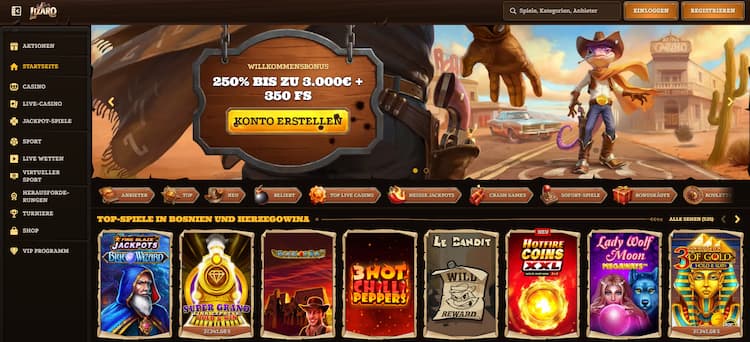
I have experienced enough live game shows to understand that the host is not merely a dealer; they are the emotional engine of the entire experience. A skilled presenter gauges the atmosphere, greets players in the chat, and adjusts their energy to fit the pace of the round. When a bonus triggers and the multiplier climbs, I want a host who sounds genuinely excited, not one reading from a script. The best hosts I have met at Lizaro combine professionalism with lighthearted improvisation, making little jokes during quiet moments and praising winners by name. That human connection converts a solitary gambling session into a social event, and for many French players who long for the camaraderie of land-based casino floors this fills a real gap.
The studio setup functions alongside the host. Lighting rig, ambient music, and studio design all heighten anticipation without becoming tiresome over a extended play. Crazy Time’s set vibrates with neon and electronic beats, while Monopoly Live features a softer, nostalgic aesthetic. I focus on these details because the atmosphere directly influences how I view the pace of the game. A illuminated, large set makes a 30-minute game feel like a pleasant break, whereas a cramped or poorly mic’d set would shatter the magic immediately. The truth that these productions operate 24/7 means I can tune in during a late Paris evening and discover a host who is still focused and engaging, a testament to rigorous scheduling and preparation behind the scenes.
The Titles That Shaped the Live Game Show Phenomenon
I can’t talk about live casino game shows without acknowledging the titles that built the category. Dream Catcher was the first game I ever experienced in this format, and for many French players it still serves as the perfect entry point. A giant, vertically mounted wheel split into numbered segments rests at the center of the studio. The host rotates it, and whichever number the flapper stops on determines the payout. Simple, almost hypnotic, but with an immediate sense of participation. What surprised me was how the multiplier segments scattered across the wheel could double or even septuple the result if the wheel landed on them twice in a row. That tiny twist converted a straightforward concept and provided it with real volatility. At Lizaro Casino I still see Dream Catcher lobbies becoming crowded during early evening hours, which indicates to me the appeal remains very much alive.
Monopoly Live took the wheel concept and merged it with one of the most recognised board games in history. When I first loaded it I expected a simple branded skin, but what I received was a fully realised augmented reality segment featuring a virtual Mr. Monopoly. The base game works like Dream Catcher with a money wheel, but triggering the “2 ROLLS” or “4 ROLLS” segment launches you into a 3D board where a virtual character moves around collecting rent and building houses. Suddenly your payout is no longer restricted by the wheel segment but by a series of dice rolls across well-known Monopoly properties. That combination of live hosting, physical wheel, and rich 3D animation felt revolutionary. I have seen players at Lizaro celebrate in the chat when Mr. Monopoly arrives on a hotel-laden Mayfair, and that communal excitement is exactly the sort of emotional hook traditional live tables rarely deliver.
Crazy Time
When I think of the single live game show that pushes boundaries the furthest, it would be Crazy Time unquestionably. The main studio wheel is huge and split into numbers, but also four distinct bonus rounds: Cash Hunt, Pachinko, Coin Flip, and the titular Crazy Time bonus. The host is typically more energetic, the set design is an explosion of color, and the betting interface lets me pick exactly which bonus games I want to back alongside the standard numbers. The real genius is how each bonus round changes the texture of risk. Coin Flip is rapid and simple, while Crazy Time itself reveals a digital wonderland with an even larger wheel that can create massive multipliers. Because the bonuses are so different, I seldom feel like I am going through the same thing in a single session. Many French players I talk to say Crazy Time is their weekend go-to, and I fully understand why.
The Pachinko Bonus Round
The Pachinko bonus in Crazy Time warrants special attention because it shows how a simple physics-based mechanic can completely reshape a betting round. When the wheel triggers Pachinko, the studio feed transitions to a large vertical board studded with pegs, akin to the Japanese arcade game. The host drops a disc from the top, and it bounces unpredictably through the pegs before settling into a slot at the bottom, each holding a different multiplier. I find this round captivating because there is no way to foresee the exact path the disc will take. The multiplier values are increased twofold if the main wheel had previously landed on a doubled Pachinko segment, bringing another strategic dimension. Watching that disc rebound reminds me that even the most polished studio production still depends on genuine physical randomness to provide fair outcomes. Cash Hunt and Coin Flip round out the bonus roster with two very different personalities. Cash Hunt presents a wall of 108 symbols that I get to aim a crosshair at and choose, showing a multiplier hidden behind my chosen target. Coin Flip strips everything down to a single yes-or-no mechanism: a two-sided coin is flipped in a mechanical apparatus, with a red side and a blue side each allocated a different multiplier generated before the toss. It is the quickest of the four bonuses, and I often use it to gauge the rhythm of a session without dedicating to the longer Crazy Time or Pachinko rounds.
Deal or No Deal Live
Based on the television phenomenon, Deal or No Deal Live delivers the iconic briefcase-choosing drama directly to my screen. The first phase requires me to select a briefcase from a virtual wall, and then a series of rounds develops where the host opens other cases to reveal eliminated values. The pivotal moment comes when the Banker calls in with an offer to buy my case for a guaranteed amount. I can accept or reject, just like the TV show. What I appreciate is how faithfully it mirrors the psychological tension of the original. Choosing whether a guaranteed €40 surpasses the remote chance of landing the top prize taps into the same risk-reward calculus I face in poker or blackjack, but with a more theatrical frame. At Lizaro I notice both cautious players who take early Banker offers and thrill-seekers who ride the round to its dramatic conclusion.
Mega Ball
Mega Ball departs from the wheel-based formula and blends lottery-style draws with bingo mechanics, yet it belongs firmly in the game show category because of its charismatic host and rapid-fire pacing. I purchase cards with random numbers, then watch as a machine shoots numbered balls into a stream. The host picks twenty balls in quick succession, and at the end one or two Mega Balls are drawn with random multipliers attached. If I finish lines on my card that include the Mega Ball number, the multiplier amplifies my payout. The genius is the scalability: I can buy many cards to expand my coverage, transforming a quick two-minute round into a high-intensity coverage strategy. French players who know loto-style games find Mega Ball instantly familiar, while the live host injection holds it firmly in the entertainment zone rather than appearing as a dry automated draw.
How I Assemble a Entire Live Game Show Evening at Lizaro
I seldom sit down and engage in a lone game show in isolation for hours. The method I structure my evenings at Lizaro usually includes a combination of titles that work different parts of my gambling desire. I could start with a low-volatility session of Dream Catcher to get comfortable, putting small wagers on figures 1 and 2 while I get a feel for the pace of the venue that session. Once I hold a small win or my bankroll is ready, I switch to Monopoly Live and aim for the ‘4 ROLLS’ segment, understanding that the board game feature is what I truly intend to savor. The excitement of watching Mr. Monopoly step onto the board is part of the fun, and I let that develop over a dozen turns. If that feature hits and I close the mini-session with a win, I regularly shift to Crazy Time for a higher-octane finish, allocating a share of my winnings to the Pachinko and Crazy Time bonuses directly.
I also include non-game-show live dealer options to interrupt the sequence. A quick burst of Lightning Roulette or an auto-dealt game of Speed Blackjack renews my attention and prevents me from slipping into a mechanical routine that diminishes the experience. When I return to a game show after a short intermission on a table, the device seems fresh again, and I observe nuances in the presenter’s remarks I may have skipped. The appeal of a platform like Lizaro is that all is linked under one login, so my money travels with me smoothly across sections. I review the promotions page before logging off to verify if any cashback has been credited or if a weekend event matches with my next planned play. Creating a ritual around live game shows, featuring pauses and diversity, has transformed what can be a simple wager into a true interest that I look forward to. I wish this overview gives you the same certainty to investigate the section and create your own perfect lineup.